
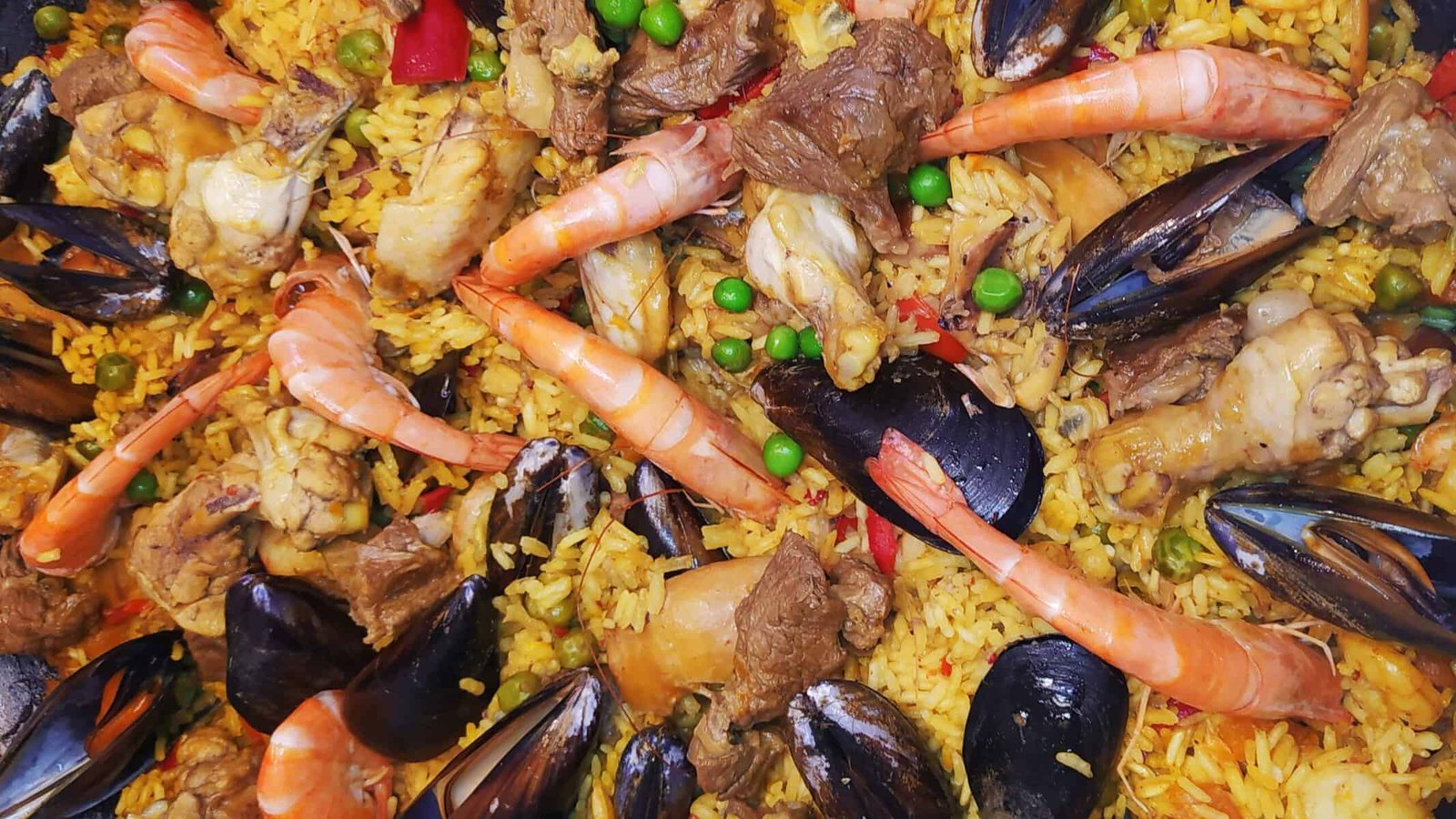
Paella, a quintessential dish of Spanish cuisine, has deep-rooted origins dating back to the mid-19th century in Valencia. The term ‘paella’ itself is derived from the Old French word ‘paelle’ for pan, which reflects its characteristic cooking vessel. Traditionally, this vibrant dish was prepared by farmers and laborers who utilized whatever ingredients were readily available, resulting in varied adaptations depending on local produce. Initially, the base version consisted of rice, green beans, and rabbit, but it has dramatically evolved over the decades.
As paella gained popularity, regional adaptations emerged, showcasing the distinctive culinary preferences of Spain’s diverse communities. Seafood paella is one of the most celebrated variations, particularly in coastal regions, featuring an array of fresh seafood like shrimp, mussels, and calamari. This version exhibits a delightful fusion of flavors, accentuated by the addition of saffron and tomatoes. On the other hand, mixed paella combines meat and seafood, reflecting an amalgamation of tastes that caters to diverse palates.
Vegetarian paella, increasingly popular among health-conscious individuals, omits meat and seafood altogether. Instead, it focuses on seasonal vegetables, legumes, and sometimes involves the use of artichokes and peas, illustrating the versatility of this dish. Each variation of paella not only highlights the available ingredients but also showcases the unique cooking techniques native to the particular region, reinforcing its significance in Spanish culinary culture.
Ultimately, paella represents more than just a meal; it is a celebration of Spanish heritage, community, and change. Recognizing its historical context and regional variants aids in understanding the complexities behind this renowned dish, paving the way for an enriching cooking experience at home.
To craft an authentic Spanish paella, understanding the essential ingredients is crucial. The foundation of any paella is the rice, and for an ideal texture and flavor, traditional types such as Bomba or Calasparra are recommended. These varieties absorb liquids without becoming mushy, allowing the dish to maintain its distinct grains. It is important to avoid standard long-grain rice, as it does not provide the desired outcome.
Another vital component of an authentic paella is saffron, renowned for its ability to impart a rich golden hue and unique flavor to the dish. Often considered one of the most expensive spices in the world, a little goes a long way, and it forms the heart of the traditional seasoning profile. Additionally, the use of paprika, particularly smoked paprika, can enhance the depth of flavor, offering a subtle smokiness that complements the other ingredients.
The protein selection plays a significant role in defining the character of the paella. Common options include chicken and rabbit, which are often utilized in classic Valencian paella. For seafood lovers, an assortment of shrimp, mussels, and calamari can elevate the dish, providing a taste of the Mediterranean. Additionally, chorizo can be included for a spicy kick, although its use sometimes raises discussions among traditionalists about what constitutes a genuine paella.
Vegetables such as green beans, red bell peppers, and tomatoes add freshness and texture to the dish, while herbs like rosemary and bay leaves can enhance the aromatic profile. Finally, the broth is crucial for infusing flavors. A well-prepared chicken or seafood stock complements the ingredients, ensuring that each element of the paella harmonizes in taste. In conclusion, selecting high-quality ingredients is imperative for creating a memorable, authentic paella at home.
To successfully prepare a traditional Spanish paella at home, the right equipment and ingredients are essential. Begin by acquiring a paella pan, which is typically wide and shallow, allowing for even cooking and optimal crust formation. Cast iron or carbon steel pans are popular choices. Additionally, you will need a reliable heat source; traditional cooks often use an open flame, but a stovetop or oven can work equally well. Having all your ingredients ready before you start will streamline the cooking process.
Next, gather your ingredients. The classic components of paella include short-grain rice, such as Bomba or Calasparra, which absorb flavors beautifully. You will also require broth, saffron for color and flavor, and a combination of proteins such as chicken, seafood, or rabbit, depending on the regional recipe. Fresh vegetables, garlic, and olive oil will enhance the dish, while spices like paprika might be added for an extra kick. Ensure your ingredients are prepped: chop vegetables, measure the rice, and season the proteins adequately.
When you are ready, start by heating olive oil in the paella pan and sauté the proteins until browned. This step develops depth in flavor. Subsequently, add the vegetables and cook until softened. Stir in the rice, allowing it to toast for a couple of minutes, which will enrich the final dish. Pour in the broth and saffron, ensuring the rice is uniformly distributed. From this point, refrain from stirring to create the desired ‘socarrat’ at the bottom, the famed crispy crust.
Maintain a simmer and monitor the cooking time, typically around 18-20 minutes, adjusting the heat as necessary. If problems arise, such as the rice being undercooked or too much moisture remains, cover the pan with aluminum foil to trap steam or increase the heat briefly to encourage evaporation. Once cooked, let the paella rest for a few minutes before serving. This traditional dish is a centerpiece that showcases the rich culture and culinary heritage of Spain.

Spanish paella is a celebrated dish originating from Spain. Known for its vibrant colors and rich flavors, it features rice cooked to perfection with a blend of fresh ingredients. The diversity among paella recipes makes it a dish everyone can enjoy, with variations ranging from seafood to vegetarian options.
To prepare an authentic Spanish paella, having the right ingredients is crucial. Below is a table outlining the essential components:
| Ingredient | Quantity |
|---|---|
| Short-grain rice (Bomba or Calasparra) | 2 cups |
| Olive oil | ¼ cup |
| Saffron threads | ½ teaspoon |
| Salt | to taste |
| Vegetables (bell peppers, peas, etc.) | 1 cup mixed |
| Seafood (shrimp, mussels) | 1 pound |
| Chicken or rabbit (optional) | 1 pound, chopped |
| Garlic | 2 cloves, minced |
When it comes to serving paella, presentation plays a crucial role in showcasing the dish’s vibrant colors and textures. Traditionally, paella is cooked and served straight from the pan, enhancing its communal dining experience. Use a wide, shallow paella pan to highlight the beautiful golden hue of saffron-infused rice, contrasting against the bright reds of bell peppers, and the varying shades of seafood or meat included in your recipe. This visual appeal encourages guests to dig in and share, fostering a social atmosphere during meals.
To complement the rich flavors of paella, consider offering a selection of side dishes and accompaniments. A simple green salad dressed with a light vinaigrette can provide a refreshing contrast to the hearty main dish. For added flavor, garlic aioli is a classic choice and works beautifully with paella’s various ingredients. Additionally, lemon wedges should be made available as they add a zesty brightness when squeezed over the dish, enhancing the overall flavor profile.
Choosing the right beverage to accompany your paella can elevate the dining experience. For traditional pairings, consider serving a crisp, chilled Spanish white wine, such as Albariño or Verdejo. These wines can enhance the seafood notes or balance the richness of the dish. Alternatively, a light red wine, like Garnacha, pairs well with meat-based paellas. For cocktail enthusiasts, a refreshing sangria or a zesty gin and tonic with herbs can be an excellent match, providing a delightful contrast to the savory characteristics of the meal.
Overall, serving paella is an excellent opportunity to embrace the essence of Spanish dining, which emphasizes sharing and celebration. Whether hosting a small family gathering or a larger feast, paella’s communal nature invites connection and enjoyment among guests. This approach to dining not only makes for a memorable meal but also a cherished culinary tradition.